
Rosemary Vinegar

Rosemary vinegar is a wonderful addition to your kitchen! It’s a simple infusion of fresh rosemary and white wine vinegar which makes it a fantastic ingredient to enhance your favourite dishes.

Why should I make Rosemary Vinegar?
Rosemary vinegar is the perfect finishing touch. A splash of rosemary vinegar over pasta, salads, and grilled dishes bringing balance and brightness, effortlessly tying all the flavours together.
And making rosemary vinegar is simple and rewarding. All you need is fresh rosemary, vinegar, and time to let the infusion work its magic. The result is a homemade ingredient that feels fancy yet accessible. This delicious vinegar makes a great gift especially if you pair it with a jar of Rosemary Seasoning Salt.
What Ingredients do I need to make Rosemary Vinegar?
You only need two ingredients to make this delicious recipe, they are :
- Fresh Rosemary
- White Wine Vinegar
Scroll to the end of this article to find the full recipe and all quantities of ingredients, with step-by-step photo instructions.

What is Rosemary?
Rosemary, or “Salvia rosmarinus”, is an amazing herb that has been loved for centuries. Native to the Mediterranean, it’s known for its strong aroma and its many uses in cooking, medicine, and traditions. The name rosemary comes from the Latin words “ros” (dew) and “marinus” (sea), because it often grows near the coast.
In the kitchen, rosemary brings a bold, woodsy flavour that makes dishes like lamb, chicken, and roasted veggies taste amazing. It’s a perfect match for garlic, olive oil, and lemon, creating meals that bring the Mediterranean to your table.
Why should I use white wine vinegar?
White wine vinegar is light, tangy, and very versatile. It’s a real flavour booster with a mild acidity that is just the right touch, not too strong or too weak. It works well with rosemary and helps to make your recipes shine.
What other vinegar could I use?
If you don’t have white wine vinegar on hand, there are several excellent substitutes that you can use to bring mild acidity and a tangy flavour. Here are some options:
- Apple Cider Vinegar is slightly fruitier but works well.
- Champagne Vinegar is light and delicate, with a very similar in taste to white wine vinegar.
- Red Wine Vinegar has a slightly bolder flavour. However, as rosemary has a strong flavour it will still work.
Each substitute may slightly alter the flavour profile of the flavoured vinegar, so choose based on your own taste preferences.
How do I sterilise the bottle?
Find out why you should sterilise your bottles and about the different methods you can use to sterilise bottles and jars in this article.
How should I store Rosemary Vinegar?
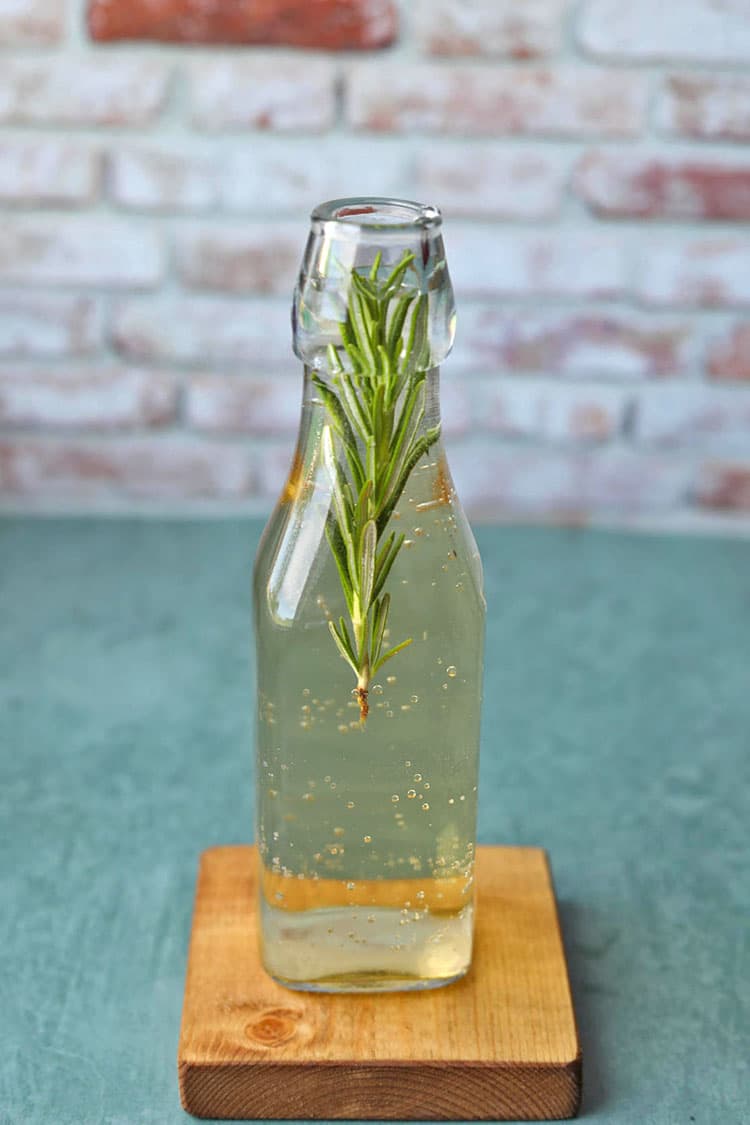
Store the Rosemary Vinegar in a sterilised bottle in a cool dark place. The refrigerator is ideal but if you have a cupboard in a cool pantry then that will work too.
How long can I keep Rosemary Vinegar?
The flavoured vinegar will keep in a sealed sterilised bottle that has been stored properly for up to 1 year. Once you open the bottle it’s best to use within 3 months.
Can I increase the quantities that I make?
Yes, you can make as much a Rosemary Vinegar as you want simply increase the ingredients. It’s a great recipe to make to give as a gift or include in a homemade hamper.
I recommend that you use bottles no bigger than 250 – 300 ml to ensure the vinegar is used within 3 months of opening.
Vegetarian
Rosemary Vinegar is suitable for vegetarians and vegans. This recipe does not include any animal-derived ingredients, making it an excellent choice to add extra flavour to plant-based diets.
Gluten Free
Yes, this recipe is gluten-free. There are no wheat products in this recipe, making it suitable for a gluten-free diet. However, I recommend that you check every ingredient to ensure it meets your specific dietary requirements.
For more information regarding any dietary information provided on this website, please refer to my Nutritional Disclaimer.
How should I serve Rosemary Vinegar?
Rosemary vinegar is a versatile ingredient that can bring that extra touch to your meals. Whether you’re dressing a salad or adding a little flair to roasted veggies, rosemary vinegar will impress. Here are some fun and easy ways to use it:
Salad Dressings
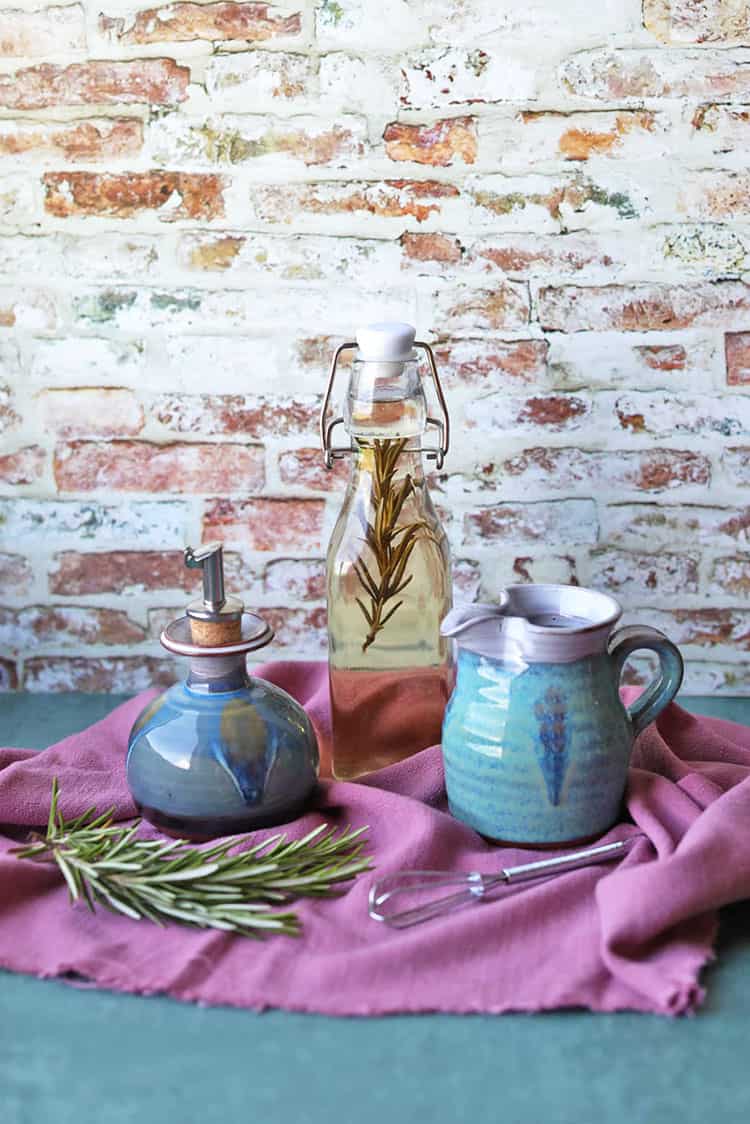
Whisk together rosemary vinegar, olive oil, a little Dijon mustard, and a sprinkle of salt and pepper for a tasty vinaigrette. Drizzle it over salad leaves, roasted vegetables, or even grain salads for a refreshing burst of flavour.
Marinades
Rosemary vinegar will take your meats, fish, and vegetables to the next level. Mix the vinegar with olive oil, garlic, and your favourite spices for a marinade that tenderizes beautifully and add flavour to every bite.

Roasted Vegetables
Give your roasted vegetanles some extra love by tossing them in rosemary vinegar before popping them in the oven. The vinegar helps caramelize them while the rosemary adds a delicious depth of flavour.
Deglazing
Why not try deglazing a pan with rosemary vinegar? After cooking meat or vegetables, pour in a splash of vinegar to lift all the glorious browned bits from the pan. Then add a bit of stock or cream to make a delicious sauce.
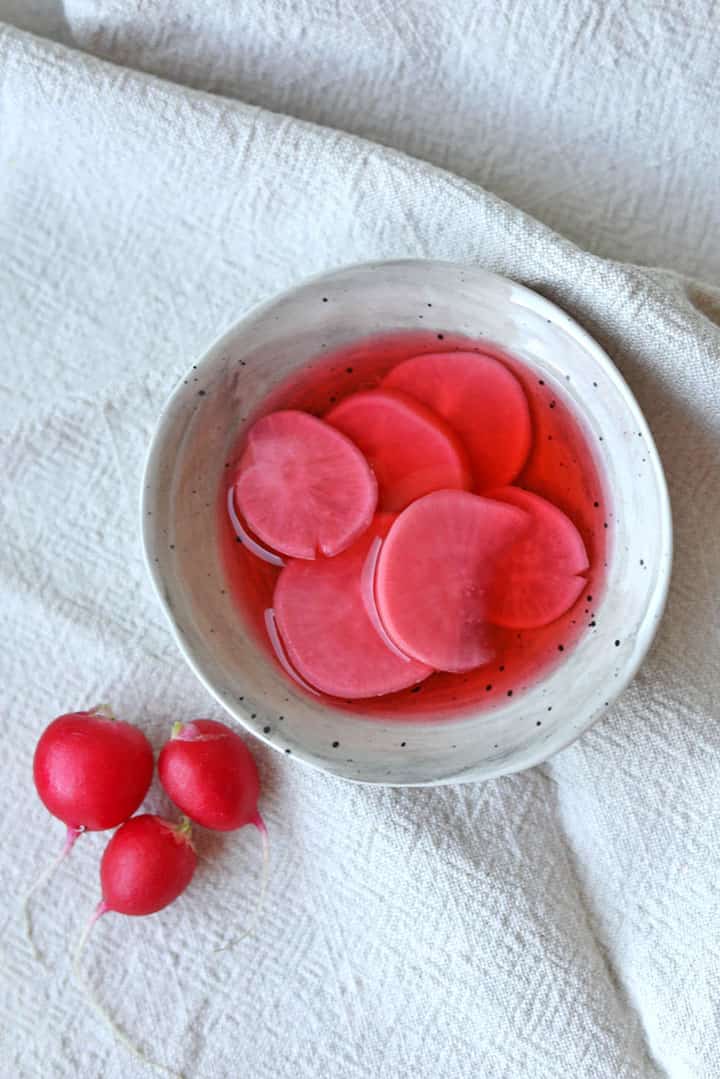
Quick Pickles
Rosemary vinegar is perfect for making quick pickled cucumbers, onions, radishes or carrots for a tasty twist on traditional pickles. These make perfect snacks or additions to sandwiches and platters.

Baking
Rosemary vinegar also works wonders in savoury baking. Add a teaspoon to savoury muffins and scones, try it with my Bacon Cheddar Scones. Or add to bread like focaccia for a delicious herby aroma that will have everyone asking for seconds.
More flavoured vinegar recipes

ROSEMARY VINEGAR
Equipment
- 1 glass jar with lid
- 1 measuring jug
- 1 250 ml glass bottle with lid
- 1 funnel optional
Ingredients
- 275 ml white wine vinegar
- 1 sprig rosemary
Instructions
- Wash the sprig of rosemary and dry thoroughly on kitchen paper.
- Place the rosemary into the glass jar.
- Pour over 275 ml white wine vinegar into the jar.
- Add the lid and close firmly.
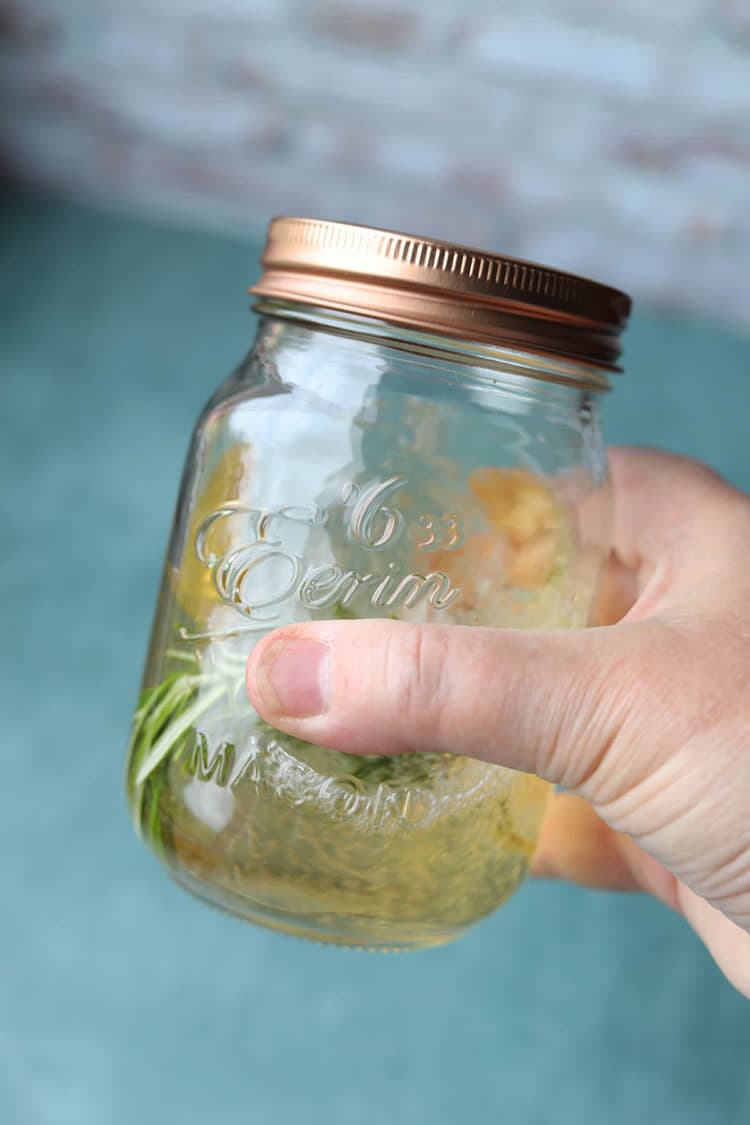
- Give the jar a shake. Then keep in a cool, dark place (the refrigerator is ideal) for 2 weeks to allow the herbs to infuse the vinegar.
To finish
- Use a sieve or a coffee filter to strain the herb from the vinegar.
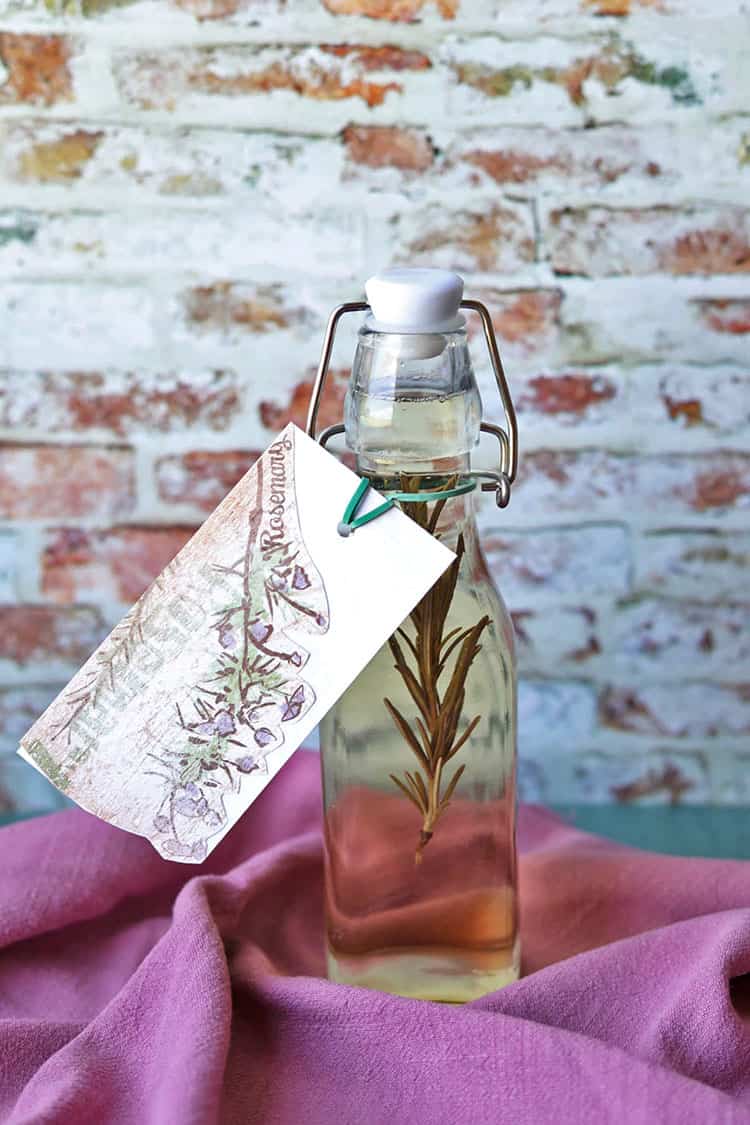
- Pour the vinegar into the sterilised bottle, if liked, you can add a fresh sprig of rosemary to the bottle then seal and label.
- Use Rosemary Vinegar as a marinade, add to salad dressings or to dress cooked vegetables.
- Rosemary Vinegar will keep unopened in a cool dark place for up to 1 year. Once opened keep in the refrigerator and use within 3 months.
So I may have killed the rosemary in my garden but it just so happens that the Tesco near me is awash with the stuff. I don’t mean inside, I may mean the car park perimeter! And so after helping the estates team with a little trimming of the shrubbery, I was able to make my vinegar! It’s really good and I’m sure it’ll just keep getting better too. I’ll be needing to make another Tesco dash fairly soon I think!
Oh wow! Bonus free rosemary.
I had no idea it was this easy to make herb vinegar at home. I made a rosemary one and also a garlic and thyme.
I know, it’s ridiculously easy and a lot of fun too.
I can’t believe how easy this was to make but what an incredible flavour it created! I’ve made so many delicious salad dressings with it and now I need to make more.
Hi just a quick question, in the instructions it says to strain before bottling, however in the cover photo it looks like the rosemary sprig is still in the bottle. After the initial two weeks, do I loose the rosemary sprig and just store the bottled vinegar?
Hi Janet, you do remove the rosemary after two weeks, however you can add in a fresh sprig when you bottle it. I see I have omitted that step in the recipe and I’ll rectify that as soon as possible. Thanks for letting me know.